
EXPLORING THE SCIENCE & THE MISSION
Resources for families, clinicians, researchers, and supporters who want to learn more about the diseases we work on and the principles that guide us.
EXPLORE OUR RESOURCES
⇒ DISEASE INFORMATION
Plowshare focuses on rare genetic diseases that profoundly affect children, families, and their communities. Explore the sections below to learn what each condition is, how it affects the body, and what Plowshare is working toward.
-
What is it? Maple Syrup Urine Disease (MSUD) is a rare metabolic disorder that prevents the body from properly breaking down three amino acids found in protein: leucine, isoleucine, and valine. Without careful management, these amino acids and their byproducts can build up to toxic levels, causing metabolic crises, brain injury, coma, or death. The disease takes its name from the distinctive sweet odor it can give urine.
How is it inherited? MSUD is inherited in an autosomal recessive pattern. A child develops the disease when they inherit a disease-causing genetic variant from each parent. Parents who each carry one variant usually do not have symptoms themselves. When both parents are carriers, each pregnancy has a 25% chance of producing a child with MSUD.
Who does it affect? MSUD occurs worldwide and can affect children of any background. It is especially common in certain Old Order Mennonite communities, where a genetic founder variant has been passed down through generations. Plowshare’s materials estimate that MSUD affects approximately one in every 380 Mennonite births—about 500 times the worldwide rate.
How is it currently managed? Newborn screening can identify MSUD before symptoms appear, allowing treatment to begin quickly. Lifelong management typically includes a carefully controlled diet, specialized medical foods, regular monitoring of amino-acid levels, and an emergency treatment plan for illness or metabolic crisis. Some individuals undergo liver transplantation, which can prevent future metabolic crises but requires major surgery and lifelong medical care.
What is Plowshare working toward? Plowshare is developing PLOW-101, an investigational gene therapy intended to address MSUD types 1A and 1B by delivering functional copies of two genes involved in breaking down branched-chain amino acids. The goal is to address the underlying cause of the disease through a one-time treatment. PLOW-101 has not been approved, and its safety and effectiveness in people has not yet been established.
-
What is it? TNNT1 myopathy is a rare inherited muscle disease and a severe form of nemaline myopathy. Changes in the TNNT1 gene prevent the body from producing functional slow skeletal muscle troponin T, a protein needed for normal muscle contraction. Affected children develop progressive muscle weakness and stiffness beginning in infancy. The disease can eventually impair movement, feeding, and breathing, even though cognitive and social development remain intact.
How is it inherited? TNNT1 myopathy is inherited in an autosomal recessive pattern. A child develops the disease after inheriting a disease-causing variant from each parent. When both parents are carriers, each pregnancy has a 25% chance of producing an affected child.s. When both parents are carriers, each pregnancy has a 25% chance of producing a child with MSUD.
Who does it affect? TNNT1 myopathy is extremely rare. The form historically called Amish Nemaline Myopathy occurs more frequently among Old Order Amish families because of a shared founder variant, although other TNNT1 variants and affected families have been identified elsewhere in the world. Symptoms usually begin during infancy and become progressively more severe.
How is it currently managed? There is currently no approved treatment that corrects the underlying genetic cause. Care focuses on supporting the child and managing symptoms through nutritional assistance, physical and occupational therapy, mobility equipment, respiratory monitoring, and breathing support when needed. Families typically work with a multidisciplinary medical team as the disease progresses.
What is Plowshare Working toward? Plowshare has identified TNNT1 myopathy as one of the rare genetic diseases it hopes to address beyond its lead MSUD program. The long-term goal is to explore a treatment directed at the disease’s underlying genetic cause, building on existing natural-history research and the company’s emerging gene-therapy platform. This work remains at an early stage and is not an approved treatment.
-
What is it? GM₃ synthase deficiency is a rare neurological disease caused by changes in the ST3GAL5 gene. This gene helps the body produce gangliosides—specialized molecules that are particularly important to the development and function of the brain and nervous system. Children with the condition may experience severe developmental impairment, seizures, abnormal movements, hearing or vision problems, feeding difficulties, and disrupted sleep.
How is it inherited? GM₃ synthase deficiency is inherited in an autosomal recessive pattern. A child develops the condition after inheriting a disease-causing ST3GAL5 variant from each parent. Parents who carry one variant usually have no symptoms. When both parents are carriers, each pregnancy has a 25% chance of producing an affected child.
Who does it affect? GM₃ synthase deficiency is extremely rare but has been diagnosed in families from several populations. A particular founder variant occurs more frequently among Old Order Amish families, where the disease has been studied extensively. Symptoms generally begin in infancy, although their severity and progression can vary.
How is it currently managed? There is currently no approved treatment that corrects the underlying cause of GM₃ synthase deficiency. Care is tailored to each child and may include anti-seizure medication, nutritional and feeding support, treatment for reflux, physical and occupational therapy, hearing and vision services, mobility equipment, and other supportive care. Management often requires coordination among several medical specialties.
What is Plowshare Working toward? Plowshare has identified GM₃ synthase deficiency as another potential application of its rare-disease development platform. Its long-term aim is to explore a therapy that addresses the underlying ST3GAL5 deficiency, informed by natural-history research and previous preclinical gene-therapy work. This program remains at an early stage and has not produced an approved treatment.
⇒ PUBLISHED RESEARCH
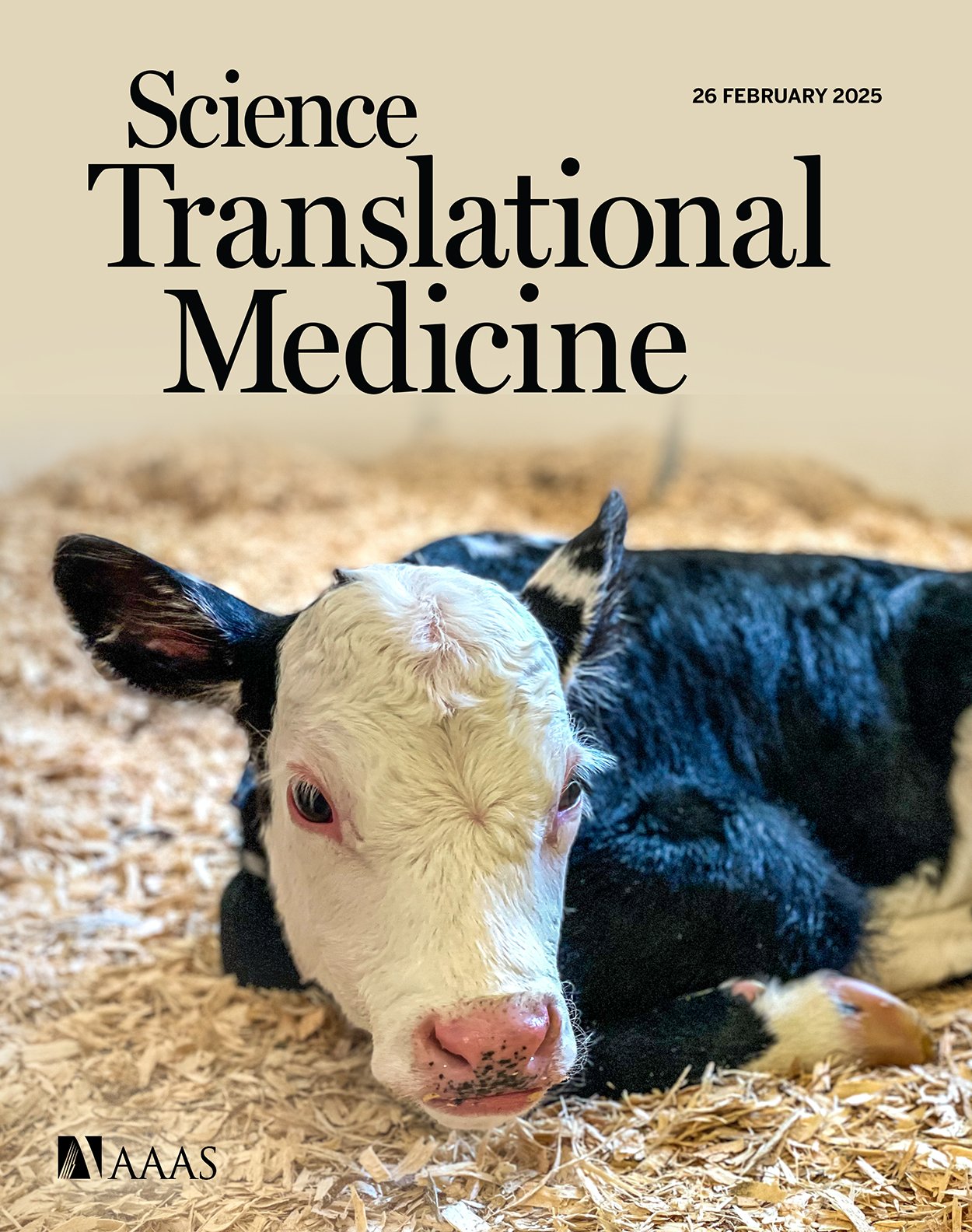
Plowshare’s work builds on decades of peer-reviewed research into the diseases we seek to address. The publications below feature additional research authored or co-authored by Kevin A. Strauss, MD, Plowshare’s founder, CEO, and chief medical officer.
-
Drawing on more than three decades of clinical research involving 184 people with MSUD, this study provides a broad examination of the disease’s genetic variants, biochemical characteristics, treatment methods, metabolic control, hospitalizations, survival, and transplantation outcomes. Its findings offer an important clinical and natural-history foundation for developing future treatments based on gene replacement or gene editing.
-
This review examines how the genetic structure, history, and community life of Old Order Amish and Mennonite populations have contributed to advances in population genetics and genomic medicine. It explains how population-specific knowledge can support earlier diagnosis, disease prevention, more precise treatment, and lower medical costs.
-
WiTNNess was designed to simulate the structure of a clinical trial while documenting the progression of infantile-onset TNNT1 myopathy. The international study evaluated survival, growth, respiratory support, and motor development to establish meaningful endpoints and a practical framework for future treatment trials.
-
This study documents the natural history of TNNT1-related nemaline myopathy among 106 affected children born between 1923 and 2017. It describes the disease’s progression, muscle pathology, respiratory complications, and survival while examining the scientific rationale for developing gene-replacement therapies.
-
This study presents natural-history, biochemical, and functional data from 50 people with GM3 synthase deficiency. It documents the disorder’s effects on growth, brain development, hearing, movement, seizures, communication, and survival while establishing a foundation for evaluating potential disease-modifying treatments.
-
This preclinical study evaluates an AAV-based gene-replacement strategy for GM3 synthase deficiency. By directing ST3GAL5 expression toward the central nervous system while reducing harmful expression in the liver, researchers achieved safe, long-term improvements in survival and neurological function in mouse models.
-
Published in Scientific American, this article describes how a community-supported clinic serving Amish and Mennonite families used genomic research, early diagnosis, and targeted treatment to prevent disability and improve care. It presents the clinic’s work as a model for translating advanced genetics into practical medicine for underserved populations.
⇒ FOR FAMILIES
Families affected by rare genetic diseases often need specialized care, reliable scientific information, and clinicians who understand the communities they serve. The Plain Community Health Consortium connects clinics and healthcare organizations working to improve diagnosis, care, and research in Amish, Mennonite, and other Plain communities.
These resources are provided for informational purposes and should not replace guidance from your medical team.
-
The Plain Community Health Consortium connects clinics and healthcare organizations serving individuals and families affected by rare genetic diseases in Plain communities. Its members collaborate to strengthen clinical care, advance research, and develop culturally appropriate ways to involve families in rare-disease research.
-
Find a Consortium Clinic
The Consortium includes specialized clinics in Pennsylvania, Ohio, Indiana, Wisconsin, and Kentucky. These organizations provide combinations of genetic testing, diagnosis, clinical care, family education, and rare-disease research.
Current member organizations include:
Center for Special Children — La Farge, Wisconsin
Central Pennsylvania Clinic — Belleville, Pennsylvania
Clinic for Special Children — Gordonville, Pennsylvania
The Community Health Clinic — Shipshewana, Indiana
DDC Clinic — Middlefield, Ohio
New Leaf Center — Mount Eaton, Ohio
WeCare Clinic — Pembroke, Kentucky
-
Located in Lancaster County, Pennsylvania, the Clinic for Special Children provides clinical care, genetic testing, laboratory services, and research for children and adults affected by rare genetic diseases. Its work is rooted in long-standing relationships with Amish and Mennonite communities and includes extensive experience with the diseases central to Plowshare’s work.
-
STAT | Eric Boodman | May 8, 2018
This STAT feature follows Dr. Kevin Strauss’s efforts at the Clinic for Special Children to secure affordable gene therapy for two Amish sisters facing progressive vision loss. It explores the challenges of accessing costly treatments in communities that pool resources for medical care, providing historical context for the access concerns Plowshare is working to address.
Read the STAT Article >
⇒ FOR CLINICIANS & RESEARCHERS
Clinicians and researchers are essential to advancing the understanding and treatment of rare genetic diseases. The resources below offer detailed information about diagnosis, management, natural history, and ongoing research related to Plowshare’s disease areas.
We also welcome opportunities to exchange knowledge and explore collaborations that may help move promising science toward meaningful treatments.
-
This comprehensive clinical reference covers the diagnosis, genetic basis, management, surveillance, and genetic counseling of individuals with maple syrup urine disease. It was co-authored by Kevin A. Strauss, MD, Plowshare’s founder, CEO, and chief medical officer.
-
The WiTNNess study follows children and adults with TNNT1-associated muscle disease to better characterize disease progression, identify meaningful clinical outcomes, and establish a foundation for evaluating potential treatments.
-
This clinical reference provides detailed information about the diagnosis, genetic testing, characteristic features, symptom management, surveillance, and genetic counseling associated with ST3GAL5-related GM3 synthase deficiency.
-
The Plain Community Health Consortium brings together clinics and healthcare organizations specializing in the diagnosis, care, and study of rare genetic diseases in Amish, Mennonite, and other Plain communities. Its member organizations combine clinical experience, genetic testing, family-centered care, and collaborative research.
⇒ GOVERNANCE & STEWARDSHIP
Plowshare brings together four distinct but closely aligned elements, each contributing to a model designed to advance promising science, steward resources responsibly, and remain accountable to the communities the work is intended to serve.